
The Pantheon the Doctor has been facing under the new run of Russell T. Davies starting with the reborn Toymaker and moving on to Maestro and Sutek has been insanely good. Giving the Doctor a mix of old enemies (Toymaker, Sutek) and new (Maestro, Lux) with powers beyond his science has required clever, human solutions. Sure, the Doctor’s not human. But he represents the best of humanity and brings out the best in humanity.
I don’t have a lot to say about this one, but I have some thoughts. Acknowledging the racial environment of 1952 Miami was excellent. Modern Doctor Who has a track record of getting this sort of thing right. Leaning into the fact that Ncuti Gatwa and Varada Sethu are people of color in a time of rampant racism in America in the deep South was inspired. But let’s be honest: this story could have been set in America and almost any time in her history. This was science fiction doing what it does best, creating a story about something while totally not being about that thing. In this case, the subplot was about how badly people of color were treated in 1950s America. But, like I said, this could have been about how people of color have been treated with suspicion and hate throughout American history.
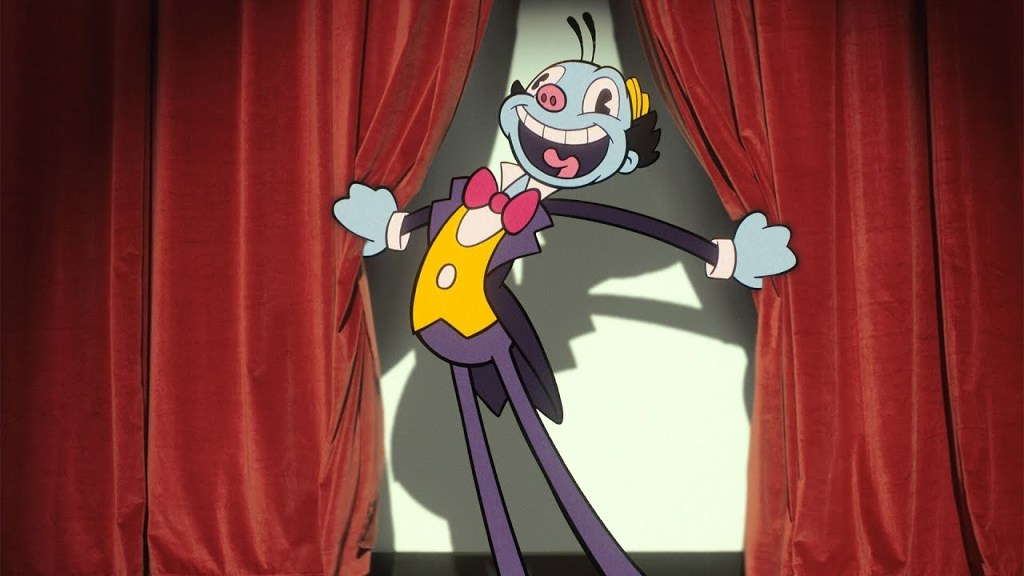
The main plot is interesting in that the antagonist is an animated character brought to life through the power of moonlight and electrical nonsense. It’s delightful, and it gives us Alan Cumming as the voice of a truly terrifying creature of light. Lux, the God of Light, takes on the form of friendly cartoon character Mr. Ring-a-Ding, a singing and dancing… something. He converts people to light, takes their energy, and then stores them on celluloid. He even manages to convert the Doctor and Belinda in a cleverly done sequence that has a lot to say about the Doctor and his fandom.
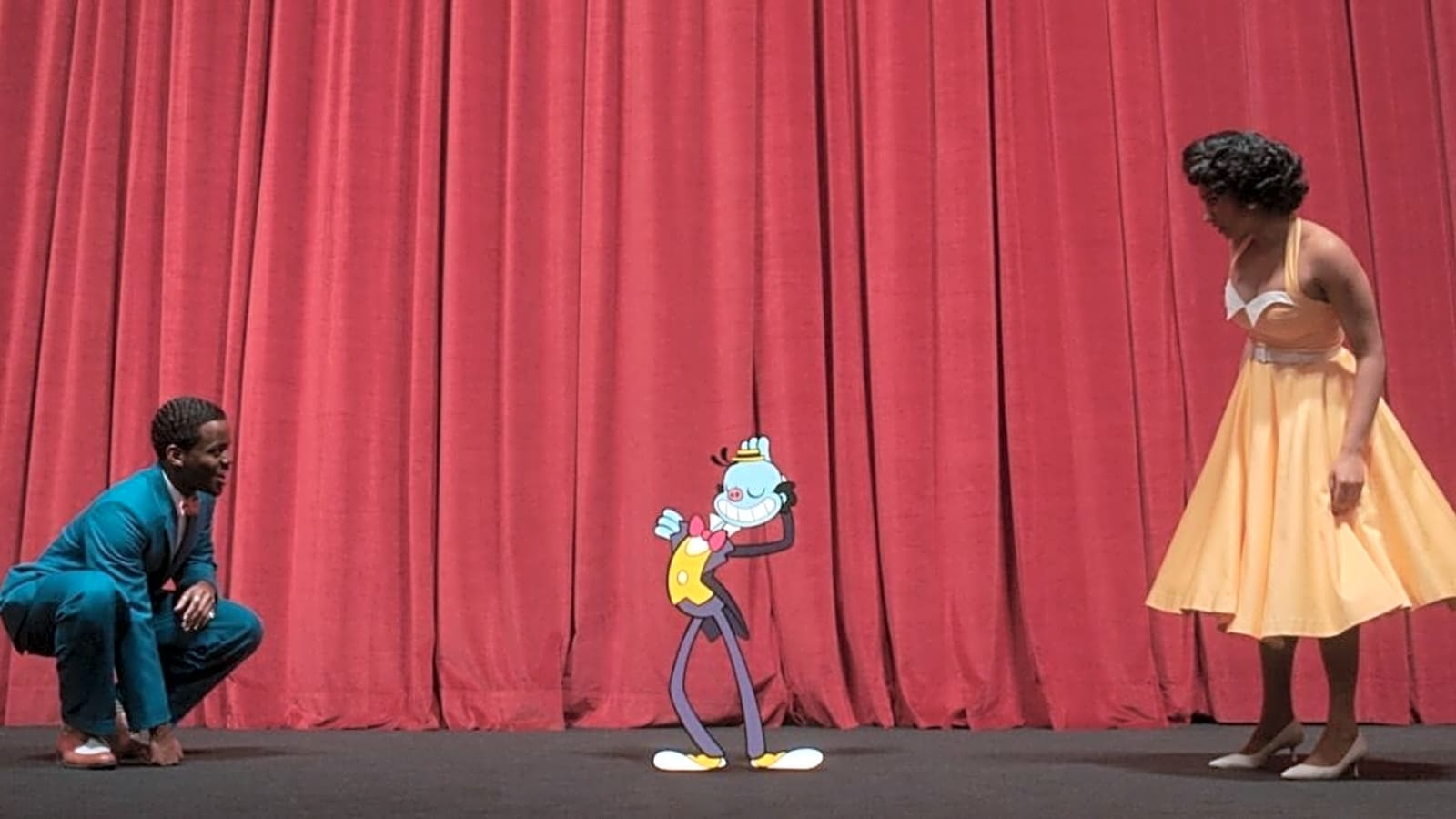
So, let’s talk about that sequence in the “real world.” The fans are treated with respect. RTD gets the fans, our love of the Doctor, and our need for good stories. And then he flips it. The Doctor isn’t the one being watched. As soon as he leaves, the fandom will vanish. The people don’t even have last names. (A nice nod to Galaxy Quest, for sure.) And then he flips it again! Of course, the fans are real. Even when the Doctor is gone, we’re still here and still love them. The Doctor is essential to fandom, but the fans persist even without him.
And the final solution to Lux/Mr. Ring-a-Ding is a classic staple of science fiction. You don’t kill your enemy. You give him what he wants most. Lux wanted the power of the nuclear bomb. So they gave him the power of 20 million bombs. The power of the sun. And he takes it and feeds on it, and he grows. H grows beyond the universe and comes to understand his place in it. The Doctor rarely wins by violence. they win by using the power of their mind and hearts to come up with outside-the-box solutions.
It’s a big part of what draws us to the Doctor and their show. It’s not all cynical, dark, brooding, violent science fiction. Certainly, the Doctor brood; but mostly, they bring hope. That blue box. That wheezing, groaning sound as it arrives. It’s a trumpet proclaiming the Hope-Bringer has arrived. And that’s what the Doctor does here first and best. They bring hope to the denizens of this small corner of America by telling those people that the Doctor and Belinda will find the missing loved ones. And then they do it!
Sometimes, everybody lives…

 All of Time and Space